Excellent Standard .35 Remington Rounds: Your Complete Reference to Performance and Accuracy
When evaluating .35 Remington ammunition, comprehending its performance and precision is essential for marksmen. This caliber offers a balance of stopping power and manageable recoil, appealing to both novice and seasoned hunters. Elements such as bullet design and weight serve important functions in performance. As hunters and target shooters evaluate their options, the proper selection can greatly impact their results. What specific characteristics should they prioritize to ensure optimal function?
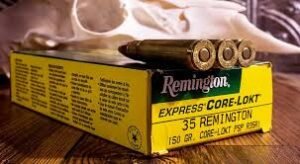
Advantages of .35 Remington Ammunition
The .35 Remington ammo offers several advantages that make it a preferred choice among sportspeople and sport shooters. Its construction enables for effective functionality at medium ranges, making it ideal for both game animals and larger game. The caliber's ability to deliver substantial stopping power while minimizing kick enhances shooter comfort and accuracy. This balance makes it available to a wider range of shooters, from seasoned marksmen to novice hunters.
Finally, the .35 Remington's adaptability is striking; it functions superbly in lever-action rifles, supporting quick follow-up shots. The bullet's weight options furnish scope in selecting loads to specific hunting needs or shooting scenarios. Additionally, its reasonable trajectory enhances target acquisition, promoting a more fulfilling shooting experience. Ultimately, these merits illustrate why .35 Remington ammo remains a sought-after choice for those seeking reliable performance in the field or at the range.
Main Considerations Governing .35 Remington Ammo Capability
What elements contribute to the effectiveness of .35 Remington ammo? Several key factors are vital in determining its effectiveness. First, bullet design strongly affects terminal ballistics; options range from soft points to hollow points, each offering distinct penetration and expansion features. Second, powder type and charge affect velocity and consistency, affecting accuracy and energy delivery upon impact. Third, the quality of the brass casing is essential for reliability and chamber fit, which guarantees consistent ejection and reloading performance. Additionally, primer quality can affect ignition reliability and overall performance. Environmental conditions, such as temperature and humidity, also affect ballistic performance and should be considered when choosing ammunition. Finally, proper firearm maintenance and compatibility with the specific rifle can enhance performance, making sure that the .35 Remington ammo operates at its best in various hunting or shooting scenarios.
.35 Remington Ammo Kinds: Choosing the Correct Option
Comprehending the diverse kinds of .35 Remington ammunition is fundamental for selecting the appropriate option for specific requirements. This overview will detail an summary of bullet variants, purpose-specific ammunition, and comparisons between diverse manufacturers. By examining these points, hunters can make informed choices to enhance their firearm performance.
Bullet Types Overview
When opting for .35 Remington ammunition, shooters encounter a range of bullet types, each designed for specific purposes. Popular options include soft point, hollow-point, and FMJ rounds. Soft point bullets are favored for their ability to expand, rendering them effective for game hunting. Hollow points are designed to expand upon impact, delivering peak stopping force, which is ideal for self-defense situations. Full metal jacket bullets, by contrast, are generally employed for target practice due to their reliable accuracy and lower cost. Each bullet type offers unique characteristics, allowing shooters to select according to their intended use, whether it be for hunting, competitive shooting, or self-defense. Comprehending these differences is essential for maximum performance.
Purpose-Driven Load Alternatives
commonly lighter and quicker, are intended for small game|made for varmint hunting, guaranteeing quick kills|providing rapid kills with little meat damage|without significant meat damage. Each tailored ammunition choice|All specific-purpose loads serves an important role in enhancing performance|boosting effectiveness, ensuring that the shooter can achieve desired outcomes whether in the field|at the shooting range|at the range. Understanding these differences assists in choosing the most suitable ammo for any specific use.|Choosing the right .35 Remington ammunition involves considering particular ammunition choices designed for different shooting purposes. For big game hunting, heavier bullets with controlled expansion are ideal, as they provide deep penetrating power and effective knockdown power. In contrast, lighter projectiles are appropriate for target shooting, offering flatter flight paths and reduced recoil, enhancing accuracy for training sessions. Moreover, varmint loads, generally lighter and faster, are created for varmint hunting, guaranteeing rapid kills without significant meat spoilage. Every purpose-specific load options serves a crucial function in optimizing performance, guaranteeing that the marksman can attain desired outcomes whether during hunts or at the shooting range. Understanding these differences helps in selecting the most suitable ammo for any specific use.|Picking the right .35 Remington ammo requires evaluating specific load options designed for different shooting needs. For large game hunts, heavier bullets with controlled expansion are optimal, as they deliver deep penetration and reliable stopping power. In contrast, lighter projectiles are suitable for target shooting, providing flatter trajectories and less recoil, improving accuracy for practice sessions. Furthermore, varmint loads, generally lighter and faster, are intended for small game hunting, guaranteeing quick kills without excessive meat damage. Every purpose-specific load options plays a crucial function in optimizing performance, guaranteeing that the shooter can attain desired outcomes whether during hunts or at the range. Understanding these distinctions helps in selecting the most appropriate ammo for any specific use.|Choosing the right .35 Remington ammunition involves considering specific load options designed for different shooting purposes. For large game hunts, heavier projectiles with regulated expansion are optimal, as they provide deep penetrating power and effective knockdown power. Conversely, lighter bullets are suitable for range shooting, providing flatter flight paths and less recoil, boosting precision for practice rounds. Furthermore, varmint loads, commonly lighter and quicker, are created for varmint hunting, providing quick kills without significant meat spoilage. All specific-purpose loads serves a crucial function in optimizing performance, ensuring that the marksman can attain preferred results whether in the field or at the shooting range. Comprehending these differences helps in choosing the most appropriate ammunition for any specific use.
Maker Comparisons
As shooters investigate the diverse range of .35 Remington ammo, comparing manufacturers becomes crucial in selecting the right fit for their needs. Each manufacturer provides distinct attributes, influencing performance, precision, and reliability. Brands like Hornady and Remington are famous for their premium loads, offering options suited for both hunting and target shooting. Winchester, on the other hand, often emphasizes affordability and availability, appealing to budget-conscious shooters. Additionally, smaller companies may manufacture custom rounds catering to niche markets or specific shooting styles. Evaluating factors such as bullet type, velocity, and trajectory assists shooters decide which brand aligns best with their intended use. Ultimately, informed comparisons allow a personalized choice, enhancing the shooting experience.
Bullet Weights and Their Influence on Output
Bullet heaviness plays a vital role in affecting .35 Remington rounds capability. Typically between 150 to 200 grains, projectile mass influences multiple factors, including trajectory, recoil, and terminal ballistics. Lighter bullets, such as those in the 150-grain bracket, generally deliver higher velocities, which leads to flatter trajectories and decreased wind drift. This proves advantageous for extended-range shots.
Conversely, heavier bullets, like those weighing 200 grains, typically offer greater energy retention and improved penetration, making them suitable for larger game. The choice of bullet weight also affects recoil; lighter bullets produce less kick, while heavier options generate more, which can impact shooter comfort and accuracy. Ultimately, understanding how bullet weights correlate with performance enables shooters to select the most effective ammunition for their specific needs, ensuring favorable outcomes in various shooting scenarios.
Finding the Right .35 Remington Ammo for Field Hunting
When tracking with .35 Remington ammo, understanding the particular requirements of the game and the shooting conditions is crucial. Hunters should consider bullet types, such as soft points and hollow points, which offer ideal expansion and energy transfer on impact. Soft points are especially useful for larger game, providing dependable penetration and stopping power.
Additionally, the choice of bullet weight can significantly impact results; heavier bullets typically offer deeper penetration, while lighter bullets can provide higher speeds. Hunters must also assess the range of their fire, as some ammunition functions better at different ranges.
Weather circumstances, comprising wind and humidity, might also impact the choice of ammunition. Ultimately, selecting the best .35 Remington ammo demands a mix between the quarry being targeted, expected shooting distance, and environmental factors, making certain a successful and ethical hunt.
Specialty Ammo Websites
How can shooters find outstanding .35 Remington ammo through internet? Dedicated ammo sites represent the superior resource for shooters seeking quality alternatives. E-retailers including MidwayUSA, Brownells, and Cabela's stock an extensive collection of .35 Remington ammunition, catering to multiple shooting applications. These platforms routinely deliver thorough specifications, making it possible purchasers to compare ballistic data and pricing conveniently. Plus, aggregator services such as Lucky Gunner and AmmoSeek consolidate options from different retailers, ensuring fair pricing and availability. For individuals interested in specialized products, examining specialized retailers could reveal rare offerings not found at major platforms. Through utilizing these platforms, firearms enthusiasts can assuredly secure the best .35 Remington ammo suited to their wants and requirements.
Frequently Posed Inquiries
What Constitutes the Historical Background of the .35 Remington Cartridge?
The .35 Remington cartridge, released in 1906, was designed for rifles with lever actions. Initially favored among hunters, it offered moderate recoil and effective results for medium game, solidifying its place in American hunting culture over source the decades.
Can .35 Remington Ammunition Be Reused?
Yes, .35 Remington ammo can be reprocessed. Devotees admire its range of uses and potential performance, allowing for tailoring in bullet type and powder charges, which enhances target precision and meets specific shooting requirements for various applications.
Which Guns Work With .35 Remington Ammo?
The .35 Remington ammo is usable in various firearms, especially lever-action rifles like the Marlin 336 and Winchester Model 94. Additionally, some bolt-action rifles and single-shot firearms also accommodate this effective cartridge efficiently.
What Is the Difference Between .35 Remington and Comparable Calibers?
.35 Remington demonstrates moderate recoil and effective stopping power, equivalent to .30-30 Winchester and .357 Magnum. Its utility makes it fitting for deer hunting, yet it lacks the higher velocities of some up-to-date caliber choices.
What safety issues should you know about with .35 Remington ammo?
Concerns about .35 Remington ammo security primarily focus on verifying correct firearm compatibility and proper handling. Improper use or wrong storage may lead to accidents. Regular inspections and adhering to manufacturer instructions enhance safe usage and minimize risks connected with this caliber.